
Last updated August 26, 2026
Free on-site gate assessment - hinges, posts, and your LiftMaster or Nice gate operator checked before anything is quoted
The assessment is free and the quote is the invoice.
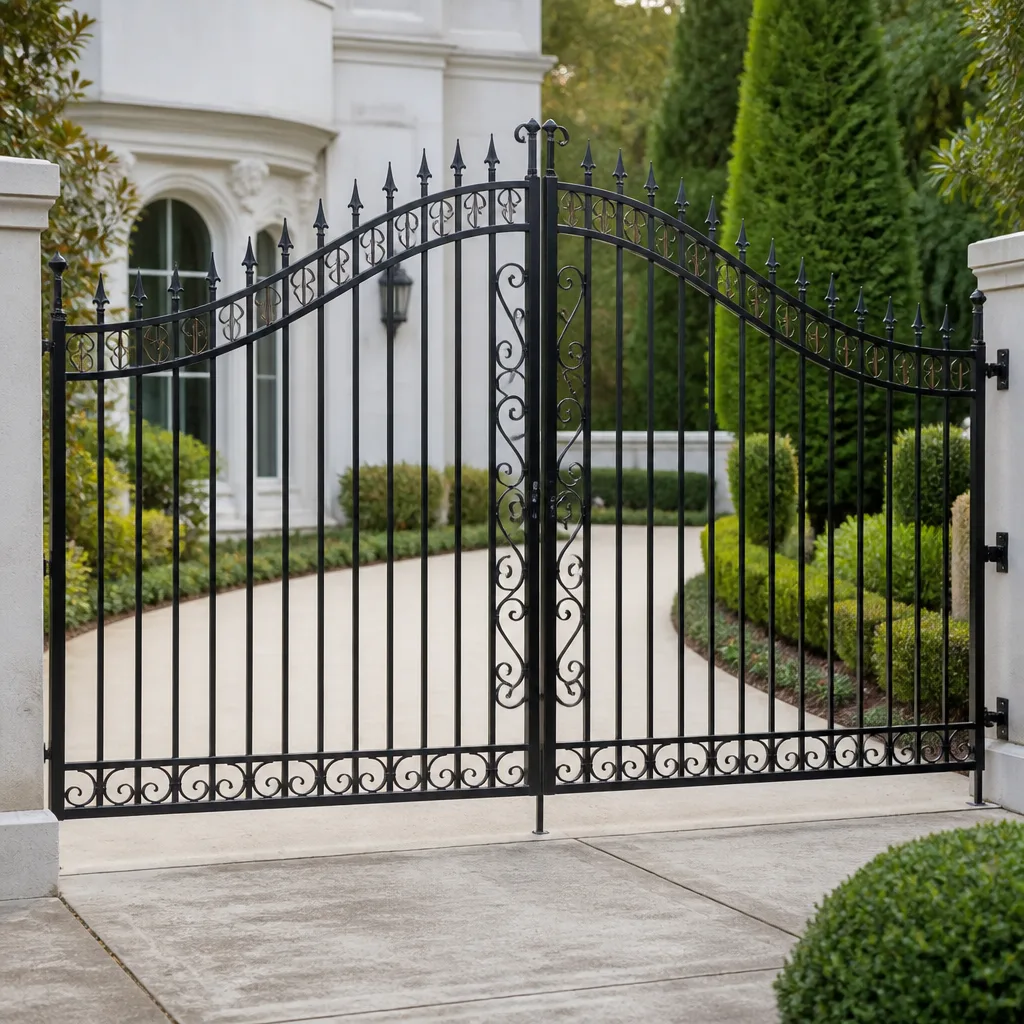
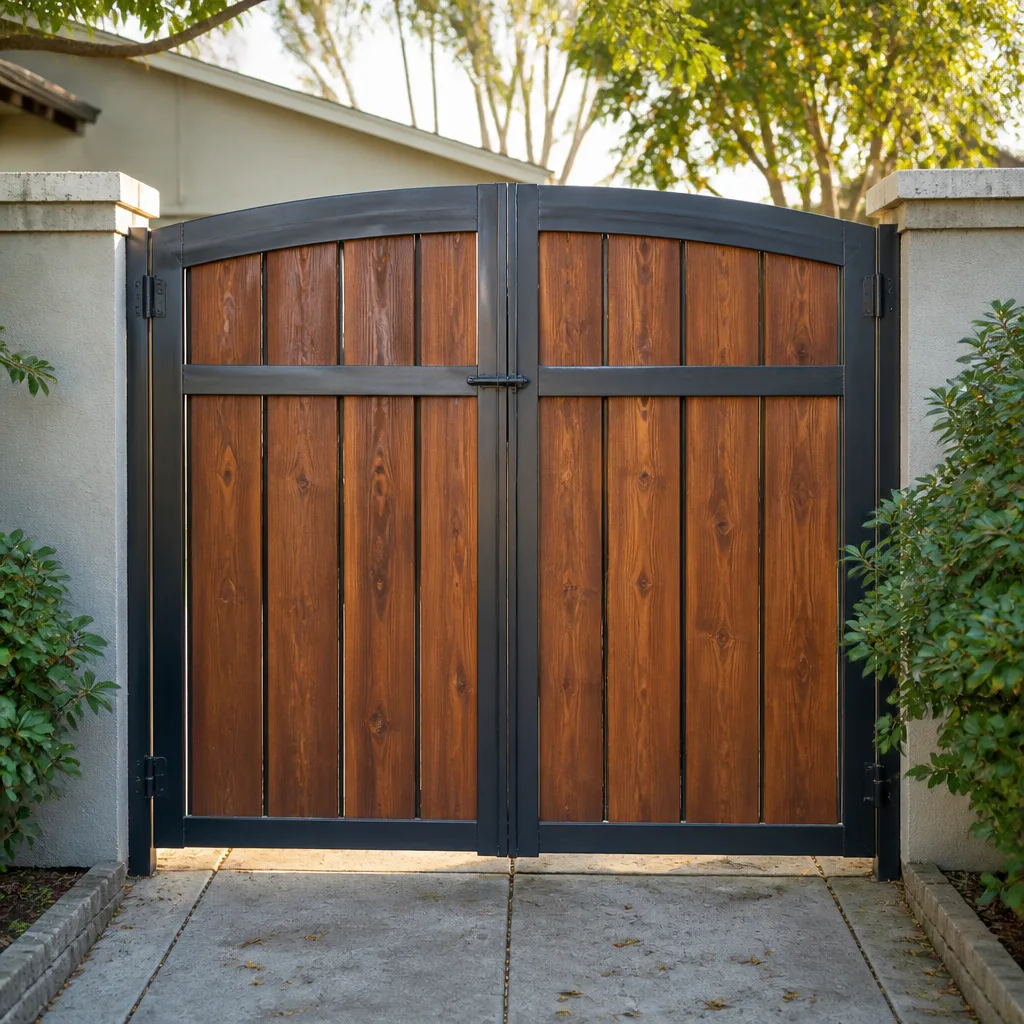
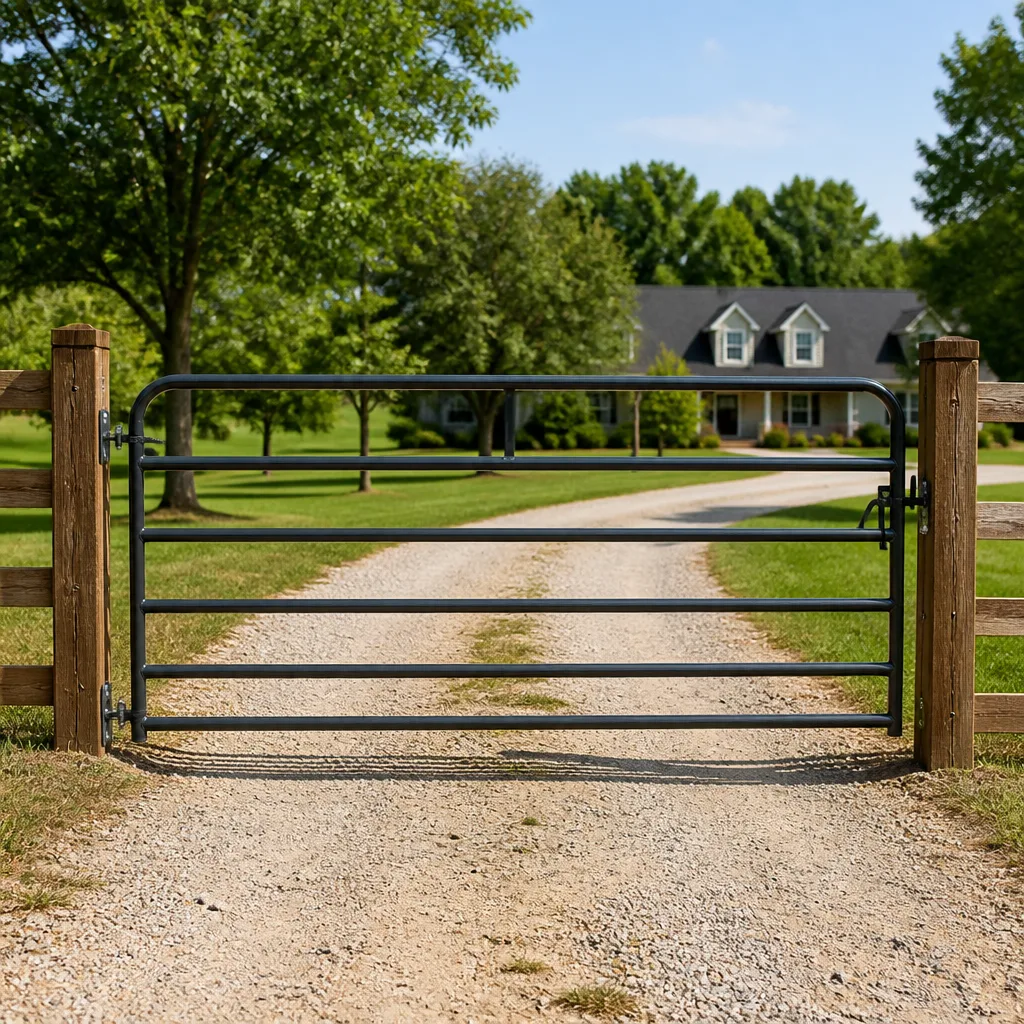
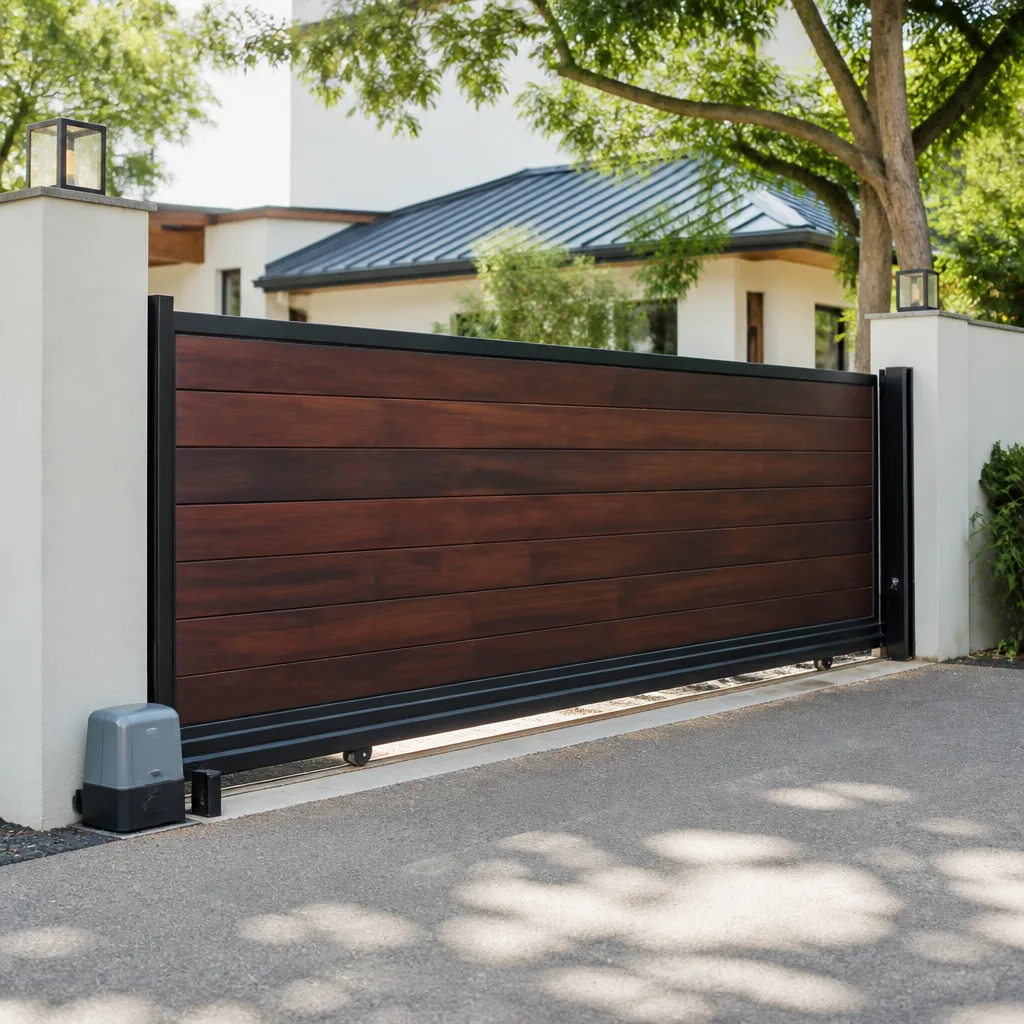
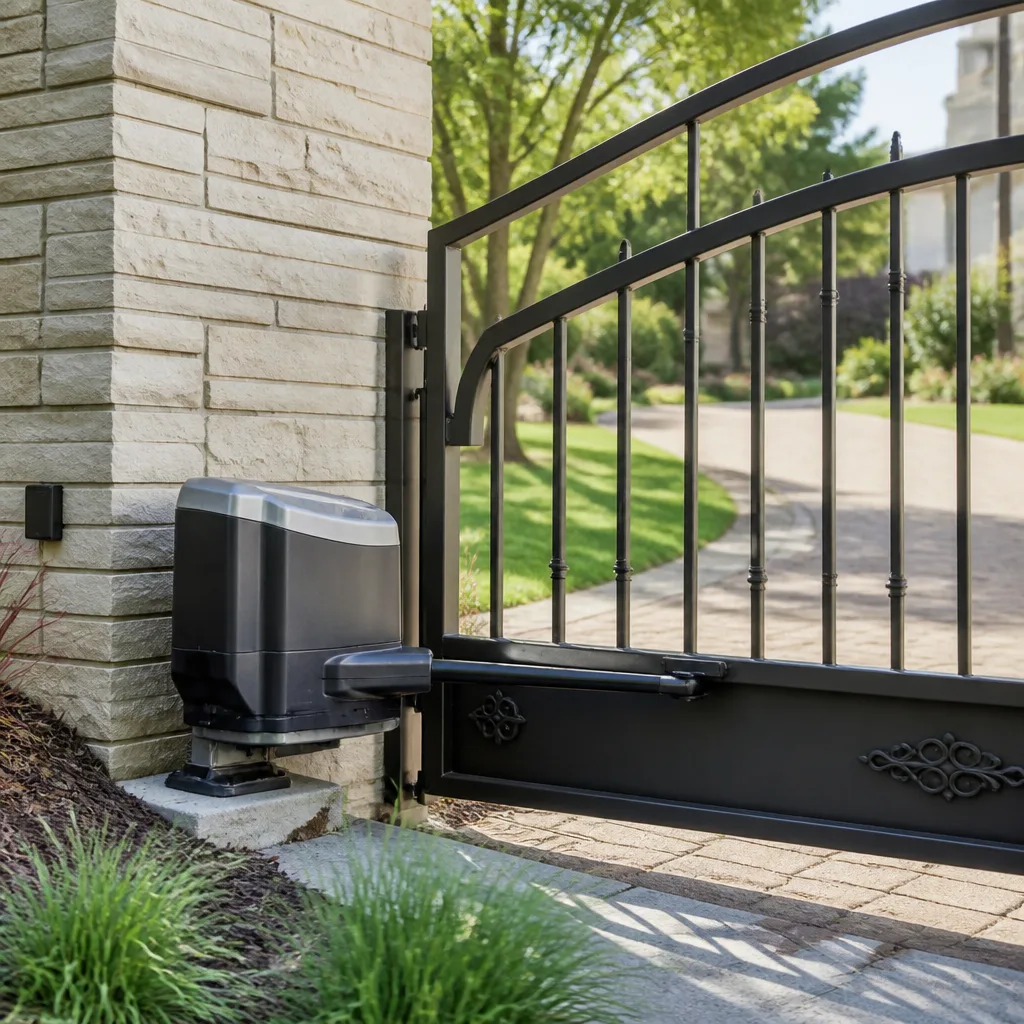
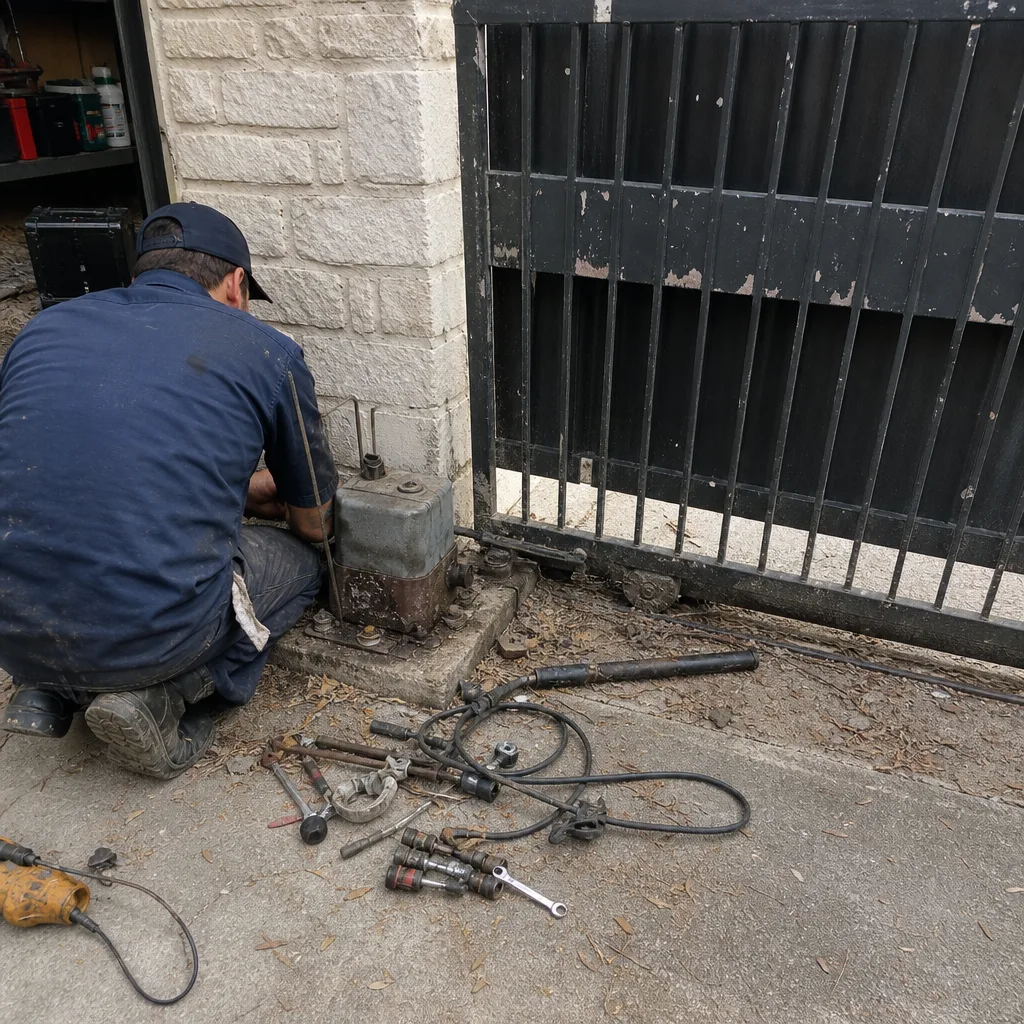 Before
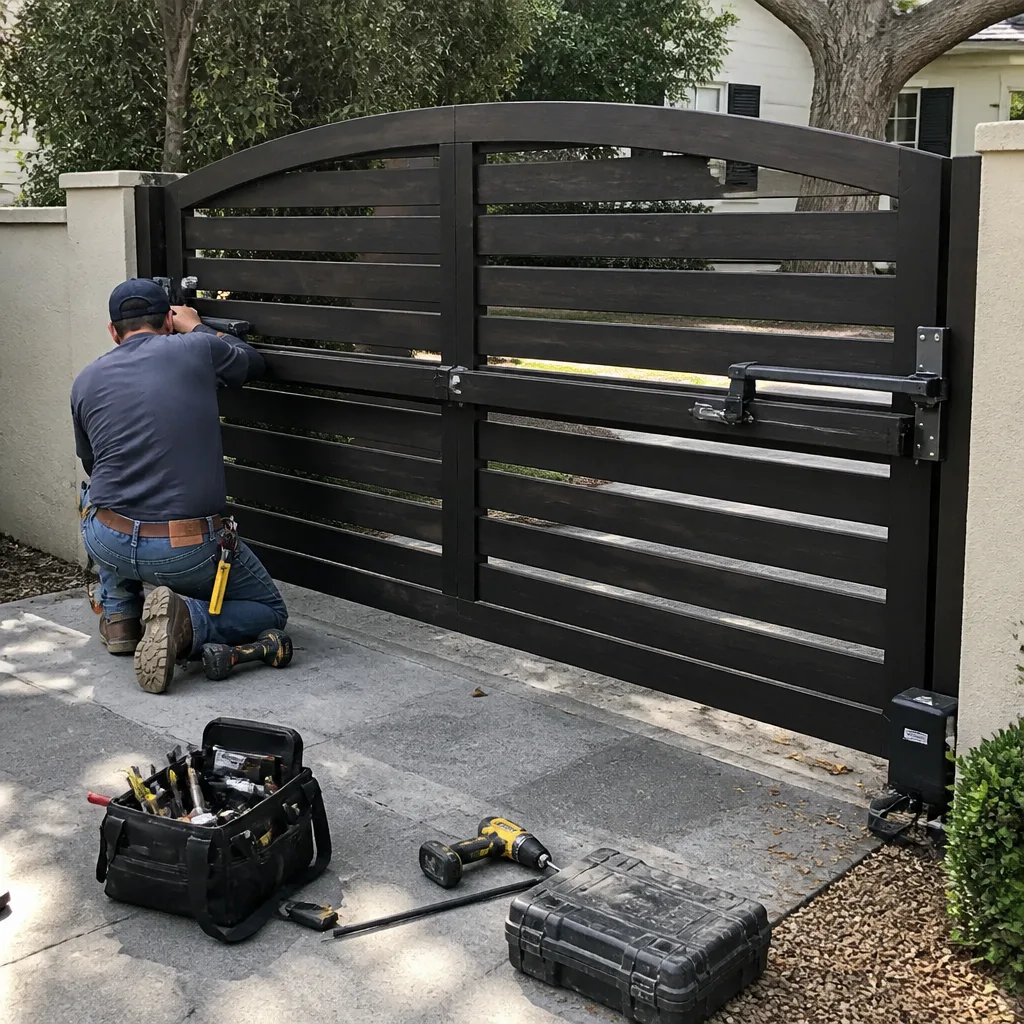 After
After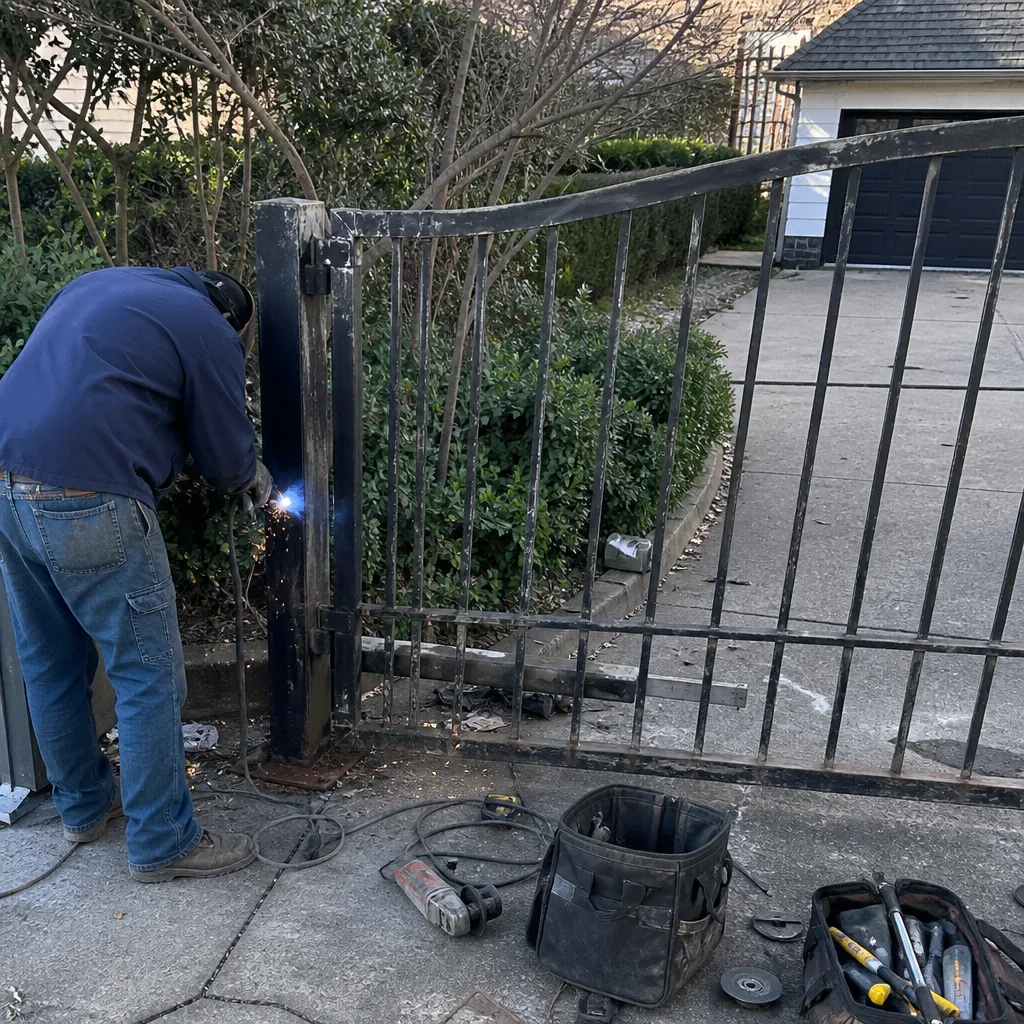 Before
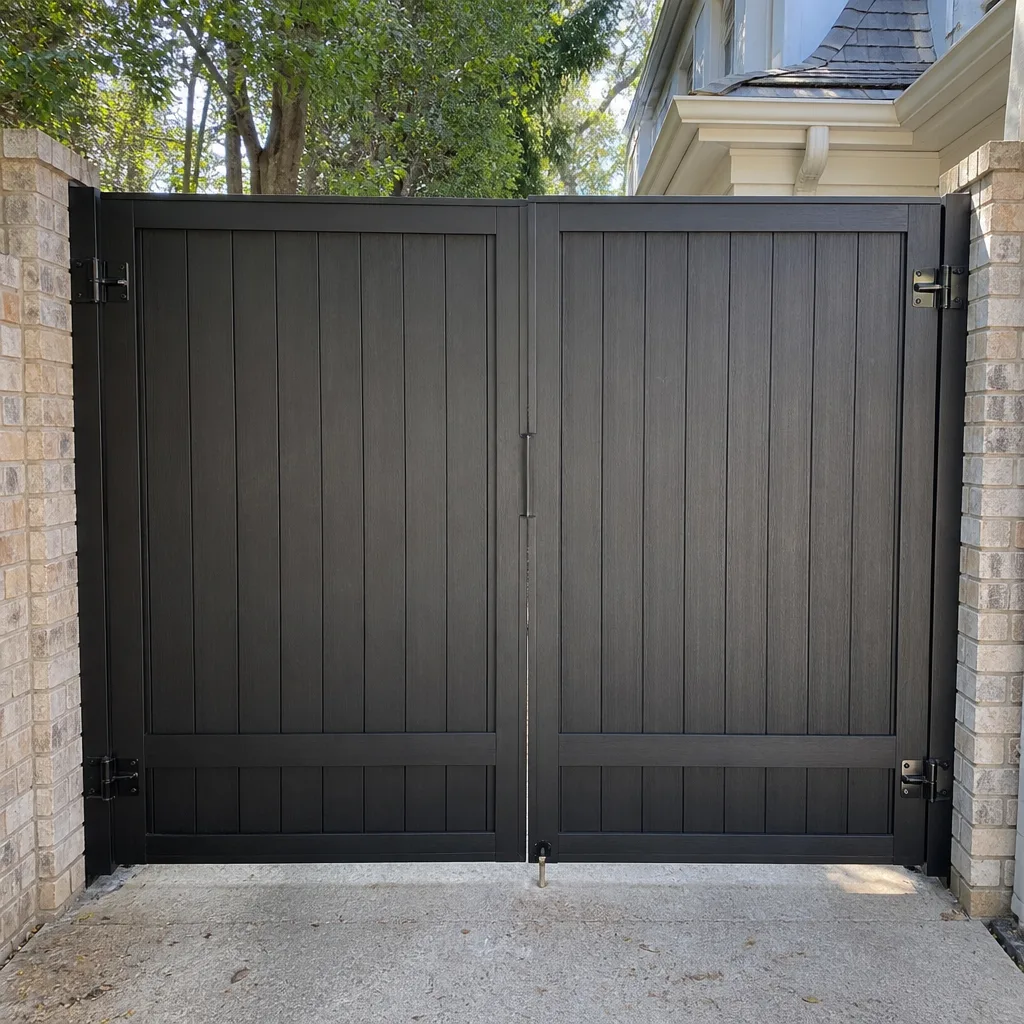 After
After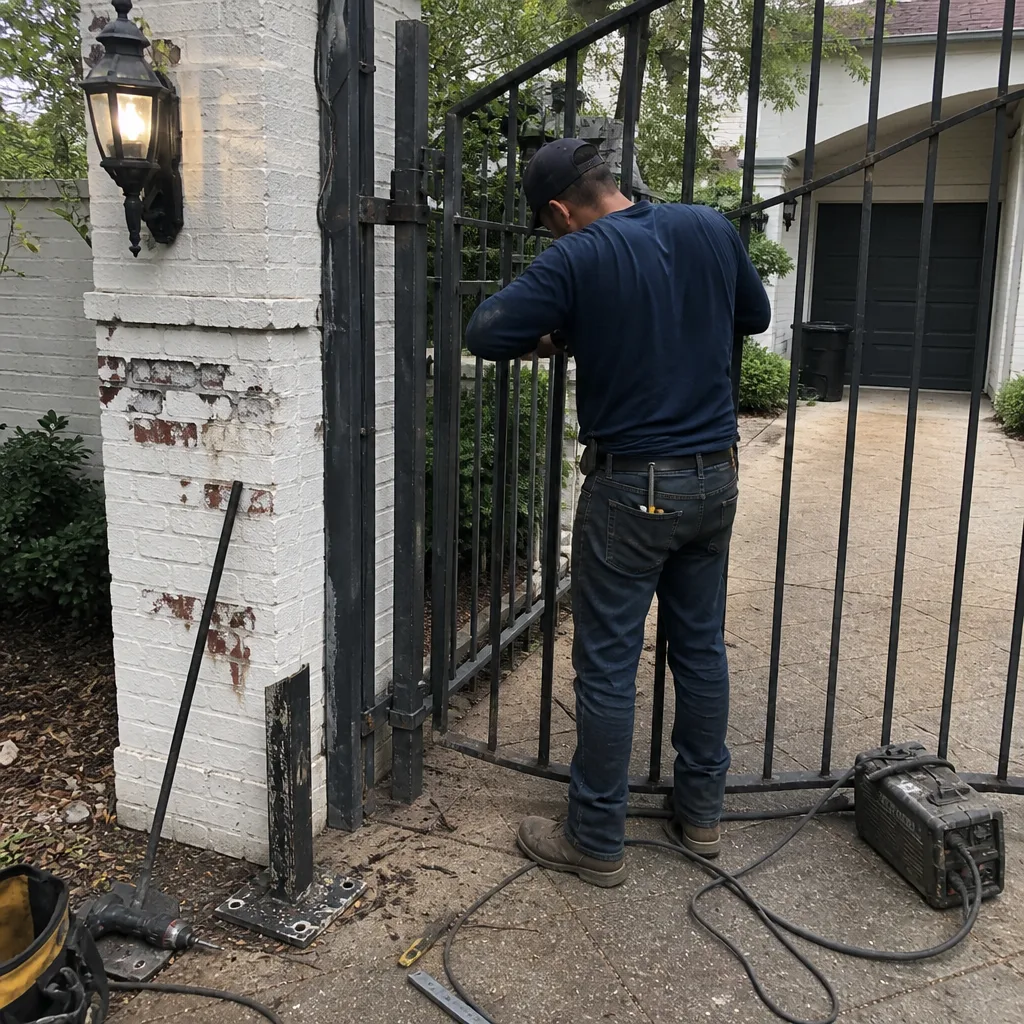 Before
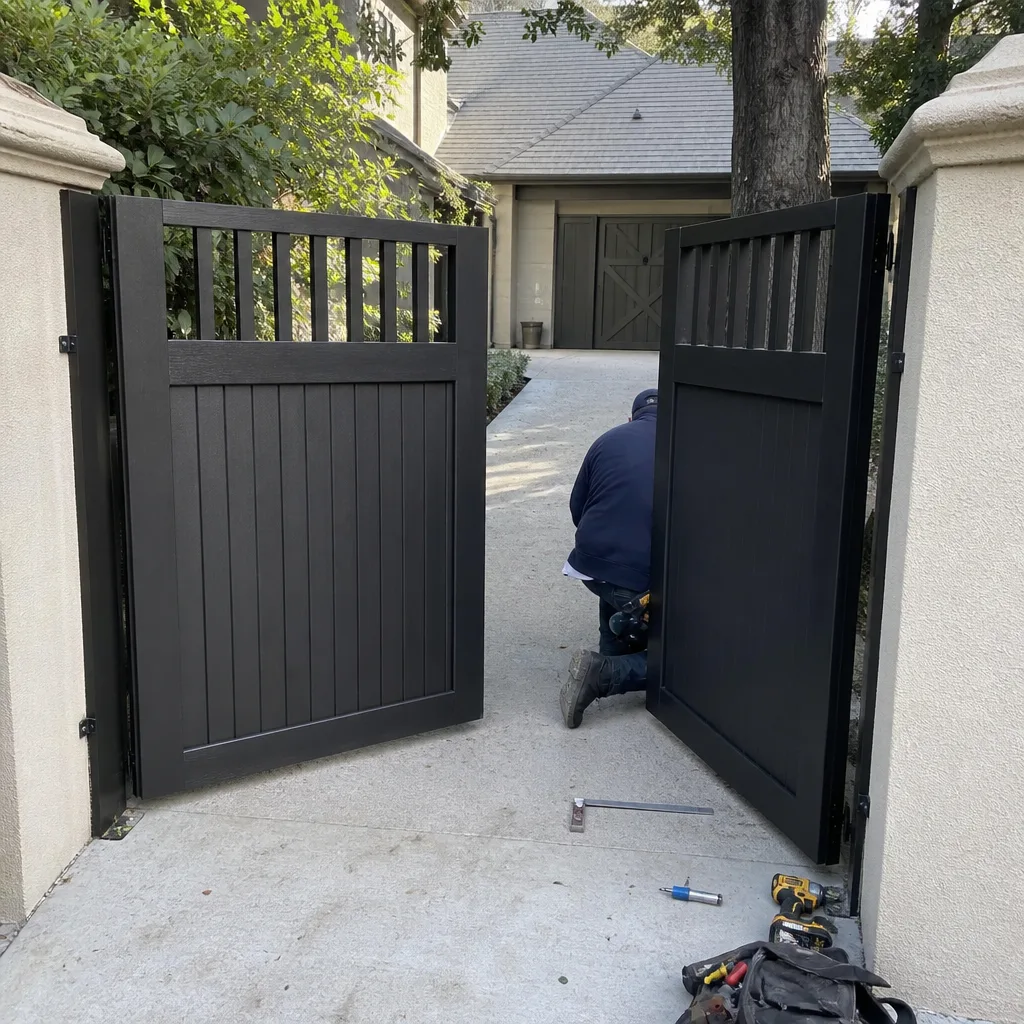 After
AfterGate Repair Permits, Codes & Inspections in TX: What You Need to Know
Most gate repairs in Texas don’t require a permit. That’s the honest truth, and it’s why a lot of homeowners get lulled into thinking no gate work ever does. Then they replace a sagging post, add an opener, or move a gate line, and a neighbor calls the city. Suddenly a $600 repair turns into a stop-work order, a code violation notice, and a second bill to undo what was already paid for. This guide walks the exact line between what the state allows without paperwork and what University Park and surrounding Texas municipalities will flag, and it’s one of several more guides & resources we’ve published for local homeowners. You’ll learn the thresholds, the electrical rules, the insurance trap, and the inspection process for automated gates under UL 325. Knowing the rule upfront costs nothing. Finding out after the fact costs real money, and we’ve seen enough of those jobs to know how they end.
Quick Answer
Most standard Gate Repair jobs in Texas, including University Park, fall under like-for-like replacement and need no permit. A permit is generally required when the work changes the gate’s height or footprint, adds a new automated opener with new electrical wiring, alters an existing structure in a way that affects load-bearing posts or footings, or triggers a specific municipal overlay rule unique to University Park’s front-yard corridor standards. When in doubt, a phone call to the local permitting office costs nothing and takes five minutes. We make that call for our customers before we ever cut a post.
Table of Contents
- Texas Residential Code: The Three Triggers That Actually Matter
- University Park’s Municipal Overlay: What the State Doesn’t Cover
- Like-for-Like Replacement: What It Means and What It Doesn’t
- Automated Gate Electrical: Permits, UL 325, and the Insurance Angle
- The Inspection Process for Automated Driveway Gates
- HOA-Controlled Corridors in University Park: The Second Permission Slip
- What Happens When You Skip the Permit on the Wrong Job
Texas Residential Code: The Three Triggers That Actually Matter
Texas doesn’t have a single statewide permit rule for gates. What it has is a residential building code that municipalities adopt and then modify. In practice, the trigger question comes down to three thresholds. If your gate project crosses any one of them, you’re in permit territory.
The first threshold is height. Texas residential code generally treats fences and gates under 7 feet as accessory structures that don’t require a building permit. Over 7 feet is where structural review kicks in, because at that point wind load and footing depth become engineering questions. University Park is no exception here. A 6-foot driveway gate with a standard frame sits below the line. An 8-foot ornamental gate with steel pickets and a custom arch sits above it.
The second threshold is structural modification. If you’re replacing a hinge, swapping a wheel, or welding a cracked seam, no permit. If you’re moving posts, pouring new footings, or changing the gate from a swing to a slide configuration, that’s an alteration to the structure. The city wants to see it, and more importantly, the city wants your neighbor to not have a 400-pound gate leaning into their property line.
The third threshold is electrical. This one catches more homeowners than the first two combined. A manual gate that becomes a motorized gate usually means new wiring, a new conduit run, and either a new circuit or a tapped existing one. Any new 120-volt run in the state of Texas requires an electrical permit in most incorporated areas. Low-voltage solar operators that don’t tie into the house panel are a different story, and we’ll get to that in the electrical section.
Hal has seen every version of this conversation in University Park and the surrounding towns. The homeowner who thinks a permit is only for big commercial jobs, the contractor who says “don’t worry about it” because he doesn’t want the inspection on his schedule, and the homeowner who calls us after the city letter arrives. The code isn’t written to make your life difficult. It’s written so the gate you install doesn’t hurt someone or fail in a windstorm.
University Park’s Municipal Overlay: What the State Doesn’t Cover
University Park has rules that go beyond the Texas residential code baseline. These aren’t hidden, but they’re not posted on the gate supplier’s website either. The most relevant one for homeowners is the front-yard gate placement standard. University Park’s development standards restrict the placement of gates and fencing forward of the building line in certain residential corridors. The logic is streetscape consistency, and the enforcement is real. We’ve done repair work on gates that were installed before the current overlay took effect and are grandfathered. We’ve also had to tell homeowners that a new gate in a front setback will need a site plan review before we can set the first post.
The second overlay rule involves driveway gates near intersections. University Park, like a lot of North Texas municipalities, has a sight-triangle requirement. A gate that obstructs the driver’s view of cross traffic at the end of a driveway can fail inspection on visibility grounds alone. This isn’t a structural issue. It’s a safety issue. The city’s traffic engineer weighs in, and the answer isn’t always what the homeowner wants to hear. We’ve had jobs where the gate had to be shifted 3 feet to the left, not because the post was in the wrong place structurally, but because a sedan pulling out couldn’t see a cyclist coming down the street.
The third overlay worth knowing is the Historic Preservation District consideration in parts of University Park. If your home is in a designated preservation corridor, exterior modifications including gates face an additional design review. That review looks at material, style, and scale. It’s not a building permit, but it’s a gate you can’t get without it. We tell every homeowner the same thing: call us, and we’ll tell you which overlays apply to your address before we quote the job. Calling the Gatewood Fence & Gate home shop is faster than guessing.
Like-for-Like Replacement: What It Means and What It Doesn’t
Like-for-like replacement is the exemption that covers most repair work in Texas. The legal definition is simple: you remove a part or component and replace it with one of the same size, same function, and same general footprint. A hinge post cap, a wheel, a chain, a motor head that matches the existing mount pattern. That’s repair. No permit. No plan review. In University Park, we do this kind of work weekly, and the city never sees a file.
But like-for-like has a boundary, and that boundary is where homeowners get surprised. The exemption covers components. It does not cover structural elements that are being changed rather than restored. If a steel gate frame has rusted through at the bottom rail, welding a patch plate over the rust is like-for-like repair. Cutting out the entire bottom rail and welding in a new one that’s a heavier gauge is arguably still repair, but if you’re changing the gate’s engineered profile, the code official can call it an alteration. We’ve been in the room with inspectors on this one. The answer changes based on how the inspector reads the scope, and that’s why we document what we find before we start cutting.
The other thing like-for-like doesn’t cover is foundation work. When a gate post sags in University Park’s clay soil, which shrinks and swells with the weather, the fix sometimes means pulling the post and pouring a new footing. That’s not like-for-like. That’s new work. The city’s building department treats it the same way it treats a new fence post, which means a footing inspection before the concrete sets. We’ve done post replacements where the inspector wanted to see the hole depth and the rebar before we poured. We’ve done others where the city said the post was grandfathered and said go ahead. The only way to know is to ask, and we ask on every job where a post leaves the ground.
Automated Gate Electrical: Permits, UL 325, and the Insurance Angle
The electricity is where this topic stops being paperwork and starts being liability. A hard-wired gate opener in Texas is an electrical installation. That means a permit for the circuit work, an inspection of the connection, and in most cities including University Park, a final sign-off that the operator meets the current UL 325 standard for automatic gate safety. UL 325 is a federal safety standard that applies to every motorized gate sold in the United States after 2001. It covers entrapment sensors, reverse mechanisms, warning signage, and the audible alarm that tells you the gate is moving. It’s not a code suggestion. It’s the law for manufacturers, and it becomes the installer’s responsibility at the point of installation.
What does UL 325 have to do with your homeowner’s insurance? More than most people think. If a gate closes on a car, a child, or a delivery person, the insurance adjuster’s investigation doesn’t start with the gate. It starts with the installation. Was the operator UL 325 compliant at the time of installation? Was the electrical work permitted and inspected? If the answer is no, the claim can be denied or reduced on the grounds of unpermitted work. We’ve talked to homeowners who found this out the hard way after a neighbor’s dog got clipped by an unpermitted operator that never had the photoelectric sensor installed in the first place, which is exactly the kind of hazard covered in our Gate Repair Warning Signs: A University Park Homeowner’s Reference Guide. The operator was compliant out of the box. The installation wasn’t.
Low-voltage solar operators exist in a gray area. An openers that runs off a panel wired directly to the board and never touches the house is generally exempt from the electrical permit requirement in Texas. That’s the good news. The bad news is that a solar operator still has to meet UL 325 at the installation level. You can skip the electrical permit on a solar unit and still be liable for a missing safety edge. The permitting office doesn’t inspect the gate. They inspect the electrical connection. UL 325 compliance is on the person who installs the operator. We service Gate Motor & Opener in University Park systems from LiftMaster, FAAC, and Mighty Mule regularly, and we haul out operators that were “installed” by someone who never set the force limit. The paperwork might be clean. The safety isn’t.
The Inspection Process for Automated Driveway Gates
If your automated gate project does require a permit, here’s what the process actually looks like in University Park. It’s not as painful as it sounds, but it’s not nothing either.
- Apply for the permit. The homeowner or the contractor files with the building department, describing the scope of work and the electrical plan if one is required. University Park’s office generally turns this around in a few business days for a standard gate operator install.
- Do the rough work. That means the conduit run, the wiring, the operator mounting, and the safety device installation. The inspector doesn’t want to see a finished gate in the wall at this point. They want to see the wire before it’s buried.
- Schedule the rough inspection. The inspector verifies that the conduit is at proper depth, the wire gauge matches the operator’s draw, and the safety sensor locations match the UL 325 required spacing for the gate’s travel path.
- Complete the installation. Hang the gate back, set the force limits, mount the photoelectric eyes, wire the audible alarm, and place the warning placards.
- Schedule the final inspection. The inspector runs the gate through its open and close cycles, tests the reversal on the safety edge, verifies the entrapment sensor triggers, and signs off on the operator. That final signature is the document your insurance company never asks for until the day it matters.
The whole process for a standard operator install takes a week to 10 days in University Park, most of that being scheduling time. The inspection itself is 20 minutes. The reason we don’t skip it isn’t because the city scares us. It’s because the final inspection is the proof that the gate was installed to the standard that keeps people safe. Hal has been through enough of these to know the inspectors by name. The process goes smoother when the person doing the work knows what the inspector is going to look for before the inspector arrives.
HOA-Controlled Corridors in University Park: The Second Permission Slip
A building permit and an HOA approval are not the same document, and in University Park you may need both. The city controls code. The HOA controls aesthetics, and in some neighborhoods, the HOA’s control is broader than the city’s. Before you replace a gate or add an operator in an HOA-managed subdivision, someone has to read the community’s design guidelines. We’ve seen HOAs in University Park that require a specific paint color, a specific post style, and a specific operator brand. We’ve also seen HOAs that prohibit front-yard driveway gates entirely, which makes the city’s set-back rule a moot point because you’re never getting the project started.
The order of operations matters here. HOA approval first, city permit second, work third. If you pull the city permit first and the HOA denies the project, you’ve burned the permit fee. More importantly, some HOAs in University Park have a rule that unapproved exterior work must be removed at the homeowner’s expense, and they enforce it with monthly fines until the removal happens. That’s a $4,000 gate job with a 10-year headache attached. We tell every customer in an HOA-governed neighborhood to get the board’s answer in writing before we cut the first post. We’ve installed gate installation in University Park for two decades, and we’ve never seen an HOA turn down a project that was properly submitted with a clear drawing and a brand spec. We’ve seen them reject plenty that were done without asking.
What Happens When You Skip the Permit on the Wrong Job
The consequences don’t all arrive at once. They stack, and the order is usually predictable. First comes the notice from the city. A code enforcement officer in University Park flags the unpermitted work, often because a neighbor called, sometimes because an inspector drove past and saw the new operator on the post. The notice gives you a window to file for an after-the-fact permit. That permit costs more than the original would have, and it comes with the understanding that the work may need to be exposed for inspection. If the electrical was buried before it was inspected, the city can require a partial re-excavation. That’s a repair job done twice.
Second comes the insurance angle, which we already touched on but which deserves repeating. Unpermitted electrical work is a claim adjuster’s favorite finding. It lets the insurance company argue that the loss wasn’t covered because the installation was illegal from the start. That argument holds up more often than homeowners expect, because most policies contain a clause excluding damage resulting from unpermitted work.
Third comes the liability for whoever did the work. If the contractor installed an unpermitted operator, and that operator later hurts someone, the contractor is the one the plaintiff’s lawyer names first. The homeowner gets named second. That’s why we don’t do unpermitted electrical work. Not because we’re trying to be difficult, but because the 90-Day Done Right Promise we stamp on every job doesn’t mean much if we left you with a circuit the city never saw. It’s not about fear. It’s about standing behind the work in a way that survives a courtroom. If the permit is required, we pull it. If we tell you the job needs a permit, there’s a reason, and it’s not because we want to charge you more.
Key Takeaways
- Most repairs don’t need a permit. Like-for-like component swaps, hinge work, and openers replaced on existing wiring are below the threshold in University Park and across most of Texas.
- Structural changes usually do. Moving posts, pouring footings, changing swing to slide, or adding height above 7 feet triggers a review.
- Electrical work is the biggest trap. A new hard-wired opener circuit needs a permit and an inspection. Solar operators skip the permit but not the UL 325 safety standard.
- University Park has overlay rules. Front-yard setbacks, sight-triangle visibility, and historic district review can all apply where the state code doesn’t.
- Unpermitted work hits your insurance. A gate-related injury claim can be denied on the finding of unpermitted installation, even if the gate itself was in good condition.
- The inspection is your protection. A passed final inspection is the paper trail that proves the operator was installed to the UL 325 safety standard.
Common Mistakes to Avoid
- Believing the first contractor who says “no permit needed” without checking. Some say it because it’s true. Some say it because they don’t want the inspection on their schedule. The difference is a five-minute phone call to the University Park building department.
- Replacing a manual gate with an automated one and not pulling the electrical permit. This is the single most common unpermitted gate project we see. The homeowner gets the gate fixed and, later, the insurance company finds the missing permit in a claim file.
- Moving a post without asking about the footing inspection. In University Park’s clay soil, a new footing needs to be inspected before the pour. Skip that step and the city can require the whole thing redone.
- Ignoring the HOA because the city approved the permit. City approval and HOA approval are separate. University Park HOAs have fined homeowners for unapproved gate work that the city signed off on.
- Buying a used operator off a marketplace site and wiring it yourself. The operator might be UL 325 compliant, but the installation of it almost certainly isn’t, and the installation is what gets examined in a liability case.
- Assuming a solar gate has no rules. Solar units skip the electrical permit in Texas, but they’re still automatic gates under UL 325. The safety edge, the reverse mechanism, and the placards all still apply.
- Hiding the unpermitted work from a future homebuyer. Texas sellers must disclose unpermitted improvements. A gate that’s flagged in the sale documents is a negotiation chip for the buyer, not the seller.
When to Call a Professional
If the gate work you’re planning touches a post that’s set in concrete, a wire that connects to your house, or a motor that moves a gate a child could stand under, call someone who’s been through the process before, as outlined in How to Hire a Gate Repair Contractor in University Park: A Step-by-Step Guide. That’s not a sales pitch. It’s the cleanest way to avoid the two things that cost the most with gate work: unpermitted electrical that voids an insurance claim, and a structural repair done wrong the first time. We’ve fixed gates in University Park that a previous contractor “repaired” by welding a patch over a bowed post. The patch was straight. The post wasn’t. The gate still sagged, and the customer paid for the job twice. Gatewood Fence & Gate offers free estimates in University Park, and we’ll tell you before we quote whether your job needs a permit, an HOA letter, or nothing at all. Call (936) 296-2568.
Frequently Asked Questions
Most gate repairs in University Park do not require a permit because they qualify as like-for-like replacement of existing components. You need a permit if the repair involves structural changes such as post replacement with new footings, height changes above 7 feet, or any new electrical circuit for an automated opener. Call (936) 296-2568 and we’ll tell you which category your job falls into before you spend a dollar.
The fine for unpermitted work in University Park is typically based on the scope of the work and works out to a penalty on top of the original permit fee, often doubling the total cost of the paperwork. The bigger cost is usually not the fine, but the required re-inspection and any re-excavation needed to expose the unpermitted electrical. That’s the part that turns a $200 fine into a $2,000 repair.
A solar-powered gate opener that is not connected to your home’s electrical panel does not require an electrical permit in Texas, including in University Park. However, the operator must still be installed to UL 325 safety standards, which means proper sensor placement, a functional reverse mechanism, and the required warning placards. A solar operator is still a motorized gate, and the liability rules don’t change because the panel is on the post.
Every job Gatewood Fence & Gate does in University Park carries the 90-Day Done Right Promise in writing. If it’s not done right, we make it right at no charge. That promise covers the workmanship and the parts we install, and it’s stamped on the invoice, not buried in the fine print.
Call the University Park building department and ask for a permit search on your address. Most municipalities in Texas can tell you over the phone whether a permit was ever pulled for the gate or the operator. If the answer is no, and the gate is automated, that’s worth knowing before you file an insurance claim or list the house for sale.
In most University Park HOAs, a straight repair to an existing gate does not require board approval because the HOA only controls changes to the exterior appearance or footprint. However, if the repair changes the color, the size, the style, or the operator, approval is usually required. We’ve seen boards reject anything short of a full written request, so get the answer in writing before the first post goes in.
The Bottom Line
The permit rules for gate work in Texas are uneven, and in University Park they’re uneven in specific ways. Most repairs are below the line. Some repairs and most electrical additions are above it. The contractor who never mentions permits is often the same contractor who cuts corners where you can’t see them until the gate fails or the claim is denied. The fix is simple: know the thresholds, ask the city, and use someone who’s been through the process enough times to know the inspectors by name. That’s what Hal Gatewood has done since 2001, and that’s why every job carries a written promise. If you have a gate question you can’t find answered on the internet, call (936) 296-2568 and ask it directly.
Written by Hal Gatewood, Owner at Gatewood Fence & Gate, serving University Park since 2001.